Basement Flooding Cleanup in Clarkston, GA
Water in a lower level has to be traced before it is pumped, because rain, a failed pipe and a creek rise each need a different cleanup. The Clarkston crew finds the source, extracts the water and dries it out.
(888) 532-4616Get the lower level pumped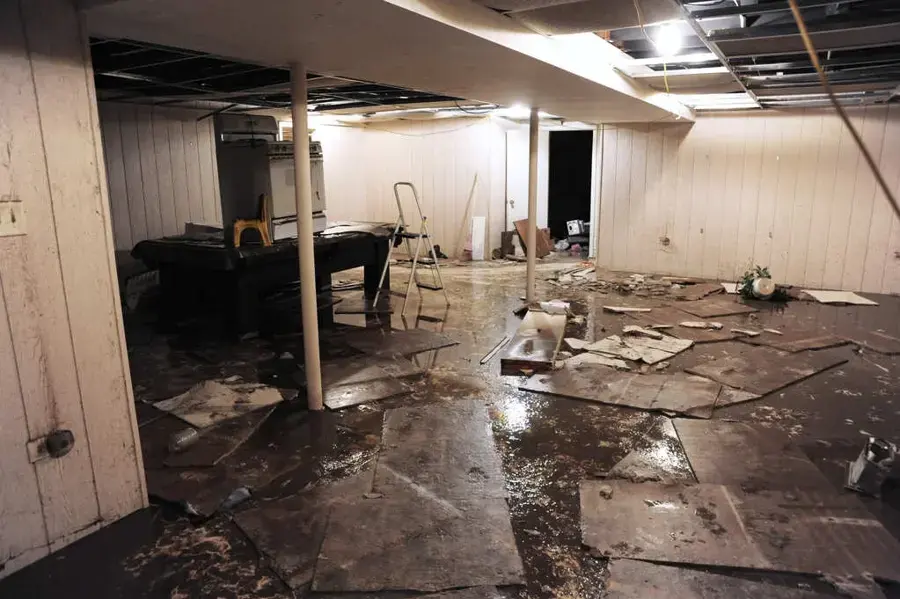
Where a Clarkston building has a level below grade, water there behaves the same way no matter the cause: it collects, soaks whatever is stored on the floor and lingers after the rain ends. The first job is working out where it came from.
First steps for basement flooding cleanup in Clarkston
- 1
Keep off wet stairs
Do not wade near outlets, a furnace or a water heater while water is standing.
- 2
Cut power if safe
Switch off lower-level circuits only if the panel is in a dry location.
- 3
Photograph the water line
Note the depth on walls and stored items before anything is shifted.
- 4
Lift and report
Raise boxes and electronics, tell the property manager if you rent, then call.
What does basement flooding cleanup cost in Clarkston, GA?
Basement flooding cleanup in Clarkston, GA typically runs $1,500 to $20,000. The source of the water, how many square feet are wet, whether the space is finished and how quickly drying starts decide where a job lands.
Unfinished, clean water
- Water drained off
- Fans and an LGR unit
- Daily moisture log
Finished space
- Wet carpet and pad lifted
- Short flood cuts if needed
- Wall cavities dried
Large or contaminated
- Sewage-grade protocol
- Contaminated materials out
- Desiccant drying on masonry
Ranges are typical, not a quote: category of water, square footage, material class and how fast drying started move the number most. Run the water damage cost calculator for a closer range.
How basement flooding cleanup is handled in Clarkston
The tech who does the walkthrough maps moisture before any equipment goes down, so the drying plan matches what is actually wet. Equipment stays until the readings say dry, not until it looks dry.
- 1
Drain first
Standing water is pumped away, then carpet and pad are squeezed with weighted wands.
- 2
Hunt hidden water
Thermal imaging and meters check wall bases, paneling and the slab.
- 3
Open what the meters flag
Flood cuts and insulation removal happen only where readings point.
- 4
Dry the dense parts
LGR and desiccant units run until concrete, wood and drywall match a dry reference.
Finding the source before the pump goes in
Clarkston straddles the Chattahoochee and Ocmulgee River watersheds, and heavy rain on paved ground has few places to go except toward low spots. The City of Clarkston says runoff from asphalt and concrete can cause flooding. A supply failure, a water heater or a sewer backup can also fill a low level, and each one changes how the water is classed.
- Runoff that has crossed soil or pavement is usually Category 2 and may be Category 3.
- A burst supply pipe is clean at first and degrades if it sits.
- Sewage coming up a floor drain is always Category 3; see sewage backup cleanup.
How a flooded lower level is dried
The extraction crew removes standing water first and then squeezes the carpet and pad. Finished walls often conceal water, so a thermal camera and meters decide where a short flood cut along the bottom of a wall is enough instead of a full tear-out. Concrete and block release moisture slowest, so LGR dehumidifiers work alongside fans, with desiccant units on the densest surfaces.
- Soaked insulation inside finished walls is removed, since it cannot dry where it sits.
- Daily readings go on until wall, framing and floor match the dry reference.
- Stored belongings that touched the water are photographed before anything is thrown out.
Keeping the next downpour out
After the dry-out, the most useful changes are outside: downspout extensions, grading that falls away from the building and a clear path for runoff. The seepage risk check lists the usual weak points, and storm flood cleanup covers floodwater that arrives at ground level. In an apartment building, report lower-level water to the property manager right away.
Basement flooding cleanup across Clarkston and nearby towns
The Clarkston restoration crew covers ZIP 30021, including Downtown Clarkston, the Brockett Road and North Indian Creek Drive corridors, the Montreal Road area and the Milam Park area.
The same service nearby: basement flooding cleanup in Lilburn, Tucker, Stone Mountain.
Related water damage services in Clarkston
Basement Flooding Cleanup questions in Clarkston, GA
Why would a lower level flood without a burst pipe?
Heavy rain on pavement and saturated ground can push water toward low openings, and overwhelmed drains add to it. The restoration team checks the source first because it sets the water category.
Does the drywall have to come out?
Not always; the meters decide. Clean water caught early often dries in place, and if the insulation behind the wall is soaked, a short flood cut near the floor is normally enough.
How long does drying take?
Most finished lower levels dry in four to seven days. Concrete and block hold more water than wood, so they can take longer.
Is the water safe to touch?
Water that crossed soil, pavement or a yard can carry bacteria and counts as Category 2 or 3. Keep children and pets away until it is extracted and cleaned.
What if I rent an apartment?
Tell the property manager first, since the building owner decides on repairs. The restoration team documents the unit with moisture maps and photos that both the manager and the adjuster can use.
Will a store-bought dehumidifier be enough?
A store-bought unit eases humidity but cannot keep pace with a flooded level. Restoration-grade LGR machines pull far more water out of the air each day.
Lower level flooded? Get the water out.
Masonry holds water for days. The drying team starts the moment the standing water is gone.
(888) 532-4616Clarkston basement drying, 24/7