Basement Flooding Cleanup in Tucker, GA
Runoff from a hard Georgia rain can push water into a house that has a basement faster than anyone can bail. The restoration team pumps the level out, finds hidden water and dries the walls and slab.
(888) 532-4616Start the basement pump-out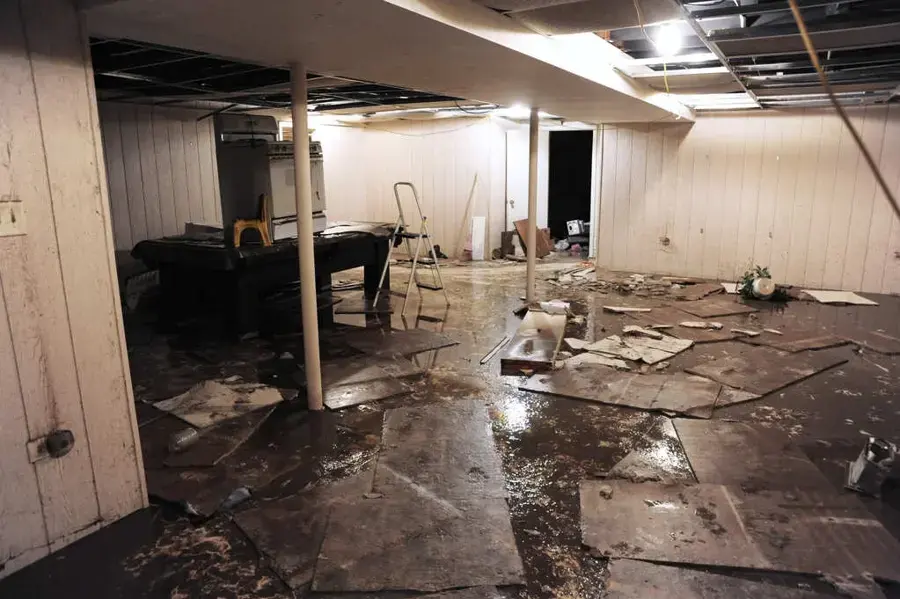
Whether a Tucker house has a basement depends on the house, and not every one does. Where a lower level exists, heavy rain, a failed pump or a plumbing break is the usual way it fills. Over a dozen creeks start in the city, so storms send plenty of runoff across the area.
First steps for basement flooding cleanup in Tucker
- 1
Stay off wet stairs
Water over outlets or near the panel can shock, so watch from the top step.
- 2
Cut power if it is safe
Switch off basement breakers only from a dry panel; if water is near it, leave it.
- 3
Mark the water line
Photograph the high-water mark and the stored items below it for the claim.
- 4
Carry things upstairs
Move boxes, rugs and electronics to a higher floor before the water reaches them.
What does basement flooding cleanup cost in Tucker, GA?
In Tucker, GA, basement flooding cleanup typically runs $1,500 to $20,000. The water category, how much floor area got wet, whether the basement is finished and how soon drying starts decide where it lands.
Bare floor, clean seepage
- Pump-out and extraction
- Fans and an LGR dehumidifier
- Readings each day
Finished lower level
- Carpet and pad extraction
- Flood cuts where needed
- Wall cavity drying
Large or contaminated
- Category 3 handling
- Porous material removal
- Desiccant drying of block
Ranges are typical, not a quote: category of water, square footage, material class and how fast drying started move the number most. Run the water damage cost calculator for a closer range.
How basement flooding cleanup is handled in Tucker
The tech who does the walkthrough maps moisture before any equipment goes down, so the drying plan matches what is actually wet. Equipment stays until the readings say dry, not until it looks dry.
- 1
Pump the water out
Standing water is lowered in stages with electrical hazards handled first.
- 2
Locate hidden water
Meters and a thermal camera find moisture in block, framing and flooring that looks dry.
- 3
Open what is wet
Only materials reading wet are cut out, keeping the rebuild small.
- 4
Dry block, wood and slab
Dehumidifiers and air movers run until concrete, framing and finishes read dry.
How water reaches a lower level
Rain that runs off roofs and yards looks for the lowest point, and a lower level is often it. Water enters through floor cracks, window wells, stairwell doors or a pump that quit. The Tucker Public Works Department handles storm pipes and catch basins, but water inside a house is a private cleanup.
- Downspouts that dump beside the wall send roof water straight toward the foundation.
- Window wells fill with rain and spill through the glass or the frame.
- A power loss during a storm can stop the sump pump when it is needed most.
How a flooded lower level gets dried
The first job is pumping the standing water down, with electrical hazards handled first. Moisture mapping follows, because water hides in block walls, under flooring and behind framing. Only materials the meters show to be wet are opened, which keeps the repair smaller. Concrete and block hold water for days, so drying equipment is sized for them and not just for the carpet.
- Flood cuts remove drywall a little above the wet line, and wet insulation behind it comes out too.
- A desiccant dehumidifier handles cool, damp block and slab that ordinary units struggle with.
- Contaminated water means porous finishes are removed and framing is treated.
Before the next downpour
Most repeat floods trace back to the same few things: gutters that overflow, grade that slopes toward the house and a pump with no backup power. Extending downspouts, clearing window wells and testing the sump pit before a forecast storm cost little next to another cleanup. The seepage risk check lists the weak spots, and sump pump failure cleanup covers the worst case.
Basement flooding cleanup across Tucker and nearby towns
The Tucker restoration crew covers ZIP 30084 and 30085, from Northlake and Montreal to Edinburgh Estates, Winding Woods and Wellington, including homes off Lawrenceville Highway and LaVista Road.
The same service nearby: basement flooding cleanup in Lilburn, Clarkston, Stone Mountain.
Related water damage services in Tucker
Basement Flooding Cleanup questions in Tucker, GA
Why would a basement flood when no pipe broke?
Rain runoff, a full window well or a pump that lost power can all put water below grade with no plumbing failure. Water simply moves toward the lowest spot it can reach.
Does the drywall have to come out?
Drywall that wicked water, or that touched dirty water, usually does. Meters decide how high the cut goes, and clean water caught fast can sometimes be dried with the wall left in place.
How long does a lower level take to dry?
Most take 4 to 7 days. Block and slab release water slowly, so the dehumidifiers stay until the readings flatten out.
Is basement floodwater dangerous?
Water that crossed yards and driveways carries soil and bacteria and counts as Category 2 or 3. Wet electrical equipment is a separate shock hazard.
Will a store dehumidifier be enough?
A household unit cannot pull a soaked slab and block dry in reasonable time. Commercial LGR and desiccant units can, and a long wait raises the odds of mold.
What keeps the water out next time?
Longer downspouts, clear window wells, a tested sump pump and a battery backup address most of it. Grading that slopes away from the house helps too.
Water below the stairs? Get the pump-out going.
Concrete and block hold water for days. The drying crew starts as soon as the standing water is gone.
(888) 532-4616Tucker basement drying, 24/7