Roof Leak Water Damage in Duluth, GA
Long Georgia downpours find the weak points in a roof. The Duluth team covers the opening, clears out soaked attic insulation and dries the rooms underneath.
(888) 532-4616Cover the roof, start drying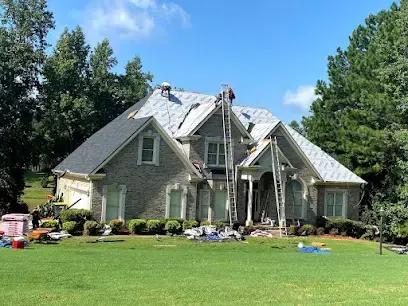
Water coming through a roof gets stopped at the roof first. Until the hole is covered, each new shower undoes the drying inside, so the tarp goes up before any air mover is plugged in.
First steps for roof leak water damage in Duluth
- 1
Stay off the roof
A wet roof in a storm is dangerous, so leave the climb to the tarping crew.
- 2
Catch the drips
Put buckets under the leak and plastic sheeting over furniture.
- 3
Turn off ceiling lights
Shut the breakers for lights and fans in any ceiling that is wet.
- 4
Photograph everything
Shoot the roof from the ground, the attic and every damp room.
What does roof leak water damage cost in Duluth, GA?
Drying and cleanup after a roof leak in Duluth typically runs from $700 to $15,000, and roof repair is billed separately. The amount of soaked insulation and drywall, the rooms affected and how soon drying starts set the figure.
One room, minor leak
- Temporary cover
- Ceiling dried
- Daily meter checks
Attic and several rooms
- Attic insulation bagged
- Ceiling sections cut away
- Attic and wall cavities dried
Big storm breach
- Large tarp or board-up
- Several rooms opened
- Long drying run
Ranges are typical, not a quote: category of water, square footage, material class and how fast drying started move the number most. Run the water damage cost calculator for a closer range.
How roof leak water damage is handled in Duluth
The tech who does the walkthrough maps moisture before any equipment goes down, so the drying plan matches what is actually wet. Equipment stays until the readings say dry, not until it looks dry.
- 1
Seal the roof
A tarp or board-up stops further rain.
- 2
Inspect the attic
Soaked insulation, decking and framing are located and noted.
- 3
Haul and open
Wet insulation goes out and sagging ceiling sections are cut open safely.
- 4
Dry every layer
Attic, ceilings and wall bays dry until the meters agree with a dry sample.
How storms find a roof's weak spot
A system like Hurricane Helene in September 2024 drove heavy rain across Gwinnett County, and sustained downpours test every shingle, vent boot and flashing seam. Wind peels back shingles, limbs can puncture decking and clogged gutters push water up under the roof edge. In Duluth, where the median house dates to about 1994, a good many roofs have weathered decades of storms.
- Shingles lifted or stripped by gusts.
- Gutters that overflow behind the fascia board.
- Flashing, vent boots and skylight seals that age out.
Drying what the leak soaked
After the cover goes on, the crew climbs into the attic to find wet insulation, decking and framing, then tracks the water downward through ceilings and into wall bays with an infrared camera. Soaked insulation is bagged and hauled off, since it keeps water pressed against drywall. Dehumidifiers and fans then dry the attic, ceilings and wall cavities. A roofer, not the drying team, handles the lasting repair.
- Rainwater picks up dust on its way through, so it is generally Category 2.
- A drooping ceiling is opened before it fails; see ceiling leak water damage.
- Photos of wet decking go to both the roofer and the adjuster.
Roof damage and the claim
Storm damage that tears open a roof is frequently handled differently from a leak caused by wear, so the file needs dated photos of the opening, the attic and each wet room. Pair them with the daily moisture readings. Ask your own insurer which case applies. If water entered at ground level instead, see storm and flood cleanup in Duluth.
Roof leak water damage across Duluth and nearby towns
The Duluth mitigation team covers ZIP 30096 and 30097, including Sugarloaf Country Club, Lakes at Sugarloaf, Plantation at Chattahoochee Reserve and the Sugarloaf Parkway and Pleasant Hill Road corridors.
The same service nearby: roof leak water damage in Lilburn, Peachtree Corners, Doraville.
Related water damage services in Duluth
Roof Leak Water Damage questions in Duluth, GA
Does the roof get fixed before the drying begins?
The hole gets covered first, with a tarp or boards, so rain stops entering. A roofer can make the permanent repair after the interior is dry.
Should wet attic insulation be thrown out?
Almost always. It compacts when soaked, keeps water against the ceiling and never regains its value, so it is removed and replaced once the attic is dry.
How can I tell water reached the walls?
Meters and infrared imaging show water running down inside exterior walls. Stains high on a wall and bubbling paint are the late signs.
Will insurance cover a roof leak?
A storm that opens the roof is often covered, while leaks from age and wear often are not. Your own insurer can explain which category yours falls in.
How long does the drying last?
Most interior drying lasts 3 to 6 days once soaked insulation is gone and the roof is covered.
Can a sound roof leak in heavy rain?
Yes. Long downpours push water under lifted shingles and through worn flashing or vent seals that hold in lighter rain.
Storm opened the roof? Get it covered.
Each new shower adds water until the hole is sealed, which is why tarping comes before anything else. Drying starts in the attic and works down.
(888) 532-4616Duluth roof leak drying, 24/7