Water Extraction in Duluth, GA
Water left standing in a Duluth house keeps soaking into pad, drywall and subfloor. The extraction crew removes it with truck-mounted units, then dries the structure until the readings agree.
(888) 532-4616Pull the water out now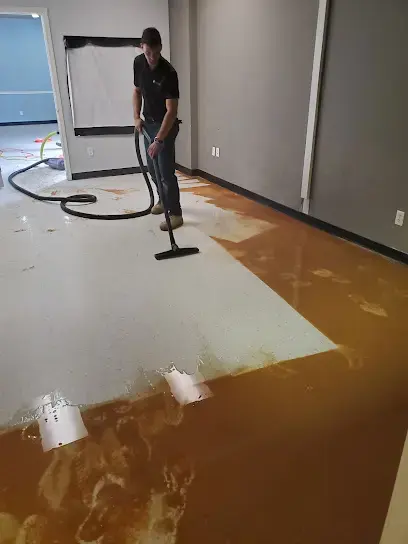
In September 2009 heavy rain left standing water in homes across Gwinnett County, and the first job in every one of them was the same: get the liquid out. In Duluth that still comes first, because a dehumidifier cannot keep pace with water that is sitting on the floor.
First steps for water extraction and removal in Duluth
- 1
Close the valve
Shut the main or the supply valve for the failed fixture so the floor stops getting wetter.
- 2
Cut wet circuits
Turn off breakers to flooded rooms only if the panel is dry and within easy reach.
- 3
Photograph the water
Shoot wide and close photos before rugs, shoes or furniture disturb the scene.
- 4
Raise what you can
Lift electronics, books and furniture legs off wet carpet, then call for extraction.
What does water extraction and removal cost in Duluth, GA?
In Duluth, GA, water extraction with the drying that follows typically runs $400 to $12,000. The water category, the number of rooms wet, the materials involved and the delay before extraction all move the figure.
One room, clean water
- Pump-out by truck unit
- Fans for a few days
- Readings every day
Several rooms or a level
- Wet carpet pressed out
- Refrigerant dehumidifiers
- Moisture map on file
Entire floor, or gray and black water
- Soaked pad hauled out
- Surfaces treated
- Longer drying run
Ranges are typical, not a quote: category of water, square footage, material class and how fast drying started move the number most. Run the water damage cost calculator for a closer range.
How water extraction and removal is handled in Duluth
The tech who does the walkthrough maps moisture before any equipment goes down, so the drying plan matches what is actually wet. Equipment stays until the readings say dry, not until it looks dry.
- 1
Walkthrough and map
Meters and thermal imaging follow the water under baseboards, cabinets and into the unit or floor below.
- 2
Truck-mounted pump-out
Standing water leaves the building, and weighted wands press out carpet and pad.
- 3
Equipment setup
Fans and low grain refrigerant units are sized to the load in each wet room.
- 4
Readings until dry
Daily numbers are logged until wet materials match the dry reference.
Why pulling water out comes before everything else
About 57.8 percent of Duluth housing went up between 1980 and 1999, often with carpet laid over pad and plywood. Pad holds far more water than it shows, and drywall draws that water up the wall from the floor. The longer it all sits, the more has to be torn out, and the repair bill follows the delay.
- A weighted wand presses water out of pad that a vacuum cannot reach.
- The wet edge on drywall keeps climbing after the floor itself is cleared.
- Damp wood and paper-faced drywall can start growing mold in 24 to 48 hours, so delay is costly.
How the extraction crew works a Duluth loss
A moisture survey opens the visit. Pinless meters and thermal imaging reveal where the water traveled, whether beneath baseboards or into the room below. Truck-mounted units then carry most of it out of the building, and weighted wands finish the carpet and pad. In an apartment building the crew also checks the units above and below, since water rarely stops at a unit boundary inside one structure.
- The sequence runs from open water to soaked carpet and pad to hard flooring.
- Contaminated water sends the pad to the dumpster, and hard surfaces get an EPA-registered antimicrobial.
- Drying equipment is placed as soon as the last standing water is gone.
After the pump-out: drying and the claim file
Removing the liquid does not finish the job. The drying team logs readings each day and pulls equipment only when wet materials settle close to a dry reference material elsewhere in the house. Moisture maps, daily numbers and dated photos make up the claim file. The structural drying page covers that phase, and basement flooding cleanup covers water that arrives from below.
Water extraction and removal across Duluth and nearby towns
The Duluth extraction crew covers ZIP 30096 and 30097, from Downtown Duluth and Parsons Alley to Sugarloaf Country Club, Lakes at Sugarloaf and the Buford Highway and Pleasant Hill Road corridors.
The same service nearby: water extraction and removal in Lilburn, Peachtree Corners, Doraville.
Related water damage services in Duluth
Water Extraction and Removal questions in Duluth, GA
How soon should water come out of a Duluth home?
As soon as possible. Each hour water sits, more of it moves into pad, drywall and subfloor, and a simple pump-out becomes a tear-out. Wet materials can start growing mold inside 24 to 48 hours.
Why not just run fans?
Fans move air but do not remove liquid water. Pad and subfloor stay saturated underneath, so the crew extracts first and only then sets equipment to work on what remains inside the materials.
Will my carpet survive?
Carpet soaked by clean water and extracted fast can often stay down. When the water is gray or black, the pad is discarded, and any carpet that sewage reached is removed for good.
What if the water came from a unit above mine?
Apartments and townhomes fill much of Duluth, with 31.7 percent of units in buildings of five or more. Water from above is extracted in your unit, and readings show how far it traveled.
How long does the pump-out itself take?
Extraction in a room or two is usually done within a few hours. Drying is the longer stretch, about 3 to 5 days when the loss is contained and more for hardwood or a wet slab.
Does homeowner insurance cover extraction?
A sudden burst pipe or appliance failure is often covered, while rising surface water usually calls for flood coverage. Ask your own insurer what applies, and keep the drying logs.
Standing water in Duluth? Start extraction now.
Every hour counts against drywall, pad and subfloor. Getting the water out early means less has to be torn out later.
(888) 532-4616Duluth water extraction, 24/7